

What you need to know now about Leech Lake walleye fishing:
- The most consistent walleye water on Leech Lake sits in Walker Bay, Sucker Bay, and along the rock points off Pine Point and Bear Island, especially in the two weeks after the May opener and again in September.
- Current Minnesota DNR regulations allow four walleye per angler on Leech Lake, only one over 20 inches, and you’ll need a valid MN fishing license.
- The Leech Lake Walleye Tournament runs every late May out of Walker and drew 155 two-person teams for its 18th annual event in 2026.
- A jig tipped with a leech or shiner minnow still out-fishes almost everything else here from ice-out through early summer, then bottom bouncers and spinner rigs take over once the water passes 70°F.
Stick around and you’ll find the exact bays to start in, the regulations that changed since the last time you looked them up, and what a dock-front stay on the lake actually adds to a fishing trip.
What Makes Leech Lake One of Minnesota’s Best Walleye Lakes?
Leech Lake is the third-largest lake located entirely within Minnesota, covering roughly 112,000 acres inside the Chippewa National Forest near Walker, according to the Minnesota DNR. That size is exactly why it fishes so well.
The lake isn’t one big basin. It’s a patchwork of connected bays, each with its own depth, structure, and personality, so a slow day in one bay rarely means a slow day lake-wide.
I’ve watched first-time visitors pull up to the public landing and freeze at the size of the map. Don’t. Think of Leech as five or six smaller lakes stitched together, and pick one bay to learn instead of trying to fish all of it at once.
Walleye, muskellunge, northern pike, smallmouth and largemouth bass, yellow perch, crappie, and bluegill all live here in good numbers, and the walleye population has held above management targets for most of the past decade.
Where Are the Best Spots to Catch Walleye on Leech Lake?
The most productive walleye water on Leech Lake runs along the rocky points and drop-offs of Walker Bay, the shallow spawning flats of Sucker and Portage bays, and the mid-lake reefs off Pine Point and Bear Island, with the right bay depending entirely on the season.
Early Season: The Spawning Bays
Right after ice-out, walleye stage and spawn on clean, hard bottoms near the north ends of Sucker Bay and Portage Bay. These areas warm faster than the main lake, which pulls baitfish and walleye into the shallows first.
Once the spawn wraps up, fish start sliding out along shoreline structure toward deeper water, following spottail shiners and young perch as they go.
Mid-Season: Walker Bay and the Main Lake Reefs
Walker Bay is the deepest water on the lake and the first place experienced locals look once the shallow bite slows. Rock reefs at Pine Point and Hardwood Point, along with the sunken humps off Bear Island, hold fish through the middle of summer.
Late Season: Back to the Rocks
By fall, walleye stack up tight to rock again, and long casts with shiners or slow-rolled cranks along the same points that produced in spring start working a second time.
Leech Lake Bays at a Glance
| Bay or Area | Typical Depth | Best Season | Signature Structure |
|---|---|---|---|
| Sucker Bay | 3 to 10 ft | Spring | Spawning flats, soft bottom |
| Portage Bay | 3 to 12 ft | Spring | Creek channels, weed edges |
| Walker Bay | 20 to 150 ft | Mid-summer | Deep breaks, rock reefs |
| Bear Island area | 15 to 25 ft | Summer | Mid-lake humps and reefs |
| Pine Point / Hardwood Point | 8 to 24 ft | Summer and fall | Rock-to-sand transitions |
| Steamboat Bay | 3 to 15 ft | Early summer | Weed flats, cabbage beds |
If Walker Bay is where you’re headed, sleeping steps from the water changes the whole trip. Loon Lodge on Leech Lake puts you on a private dock with a 3,000-lb boat lift, so the first cast of the morning happens minutes after you wake up, not an hour after you drive there.
When Should You Plan a Walleye Trip to Leech Lake?
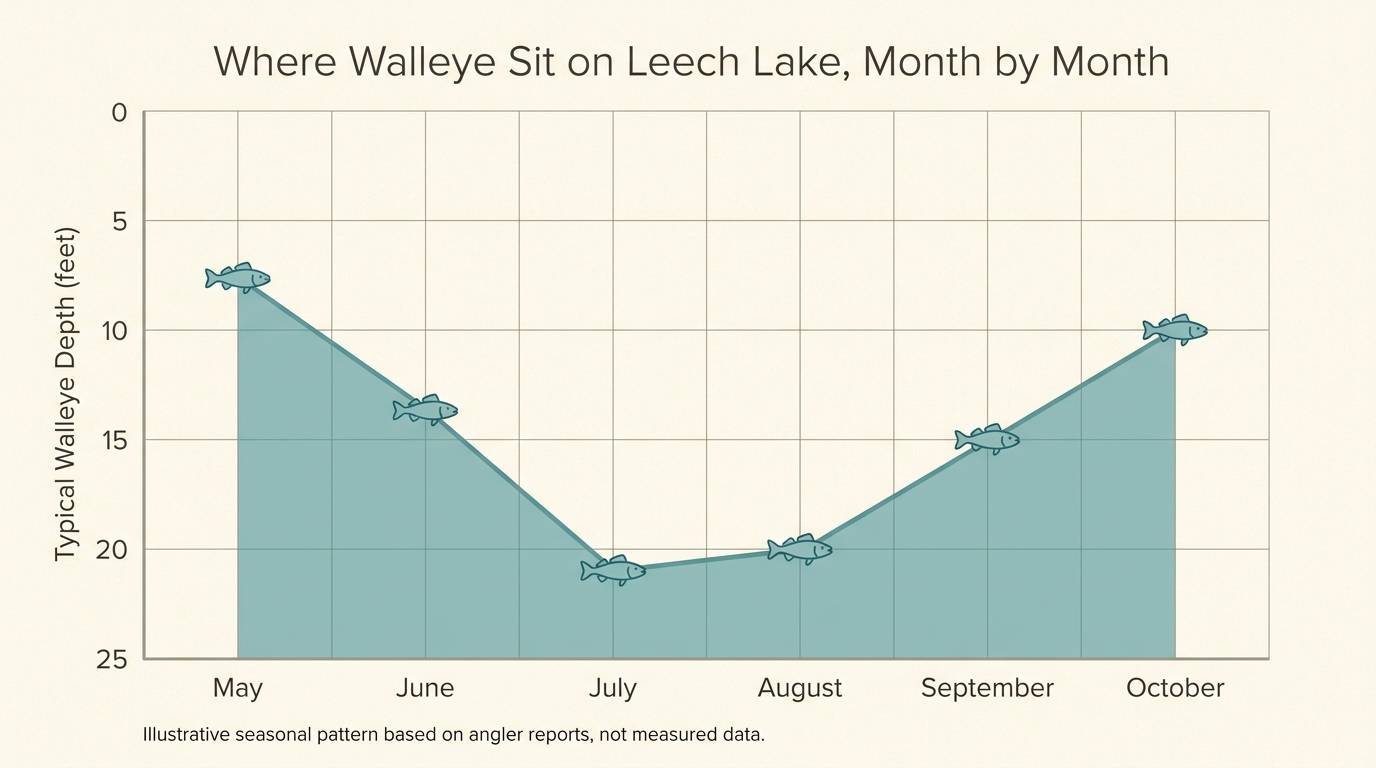
The strongest walleye fishing on Leech Lake happens in the two to three weeks right after Minnesota’s May fishing opener and again in September, when cooling water pushes fish back onto structure and the lake sees far less boat traffic.
Spring (Ice-Out Through Early June)
According to the Leech Lake Tourism Bureau, walleye spawn on clean rock and sand in shallow, oxygen-rich water, often near creek mouths. A 1/8 to 3/16-ounce jig tipped with a spottail shiner or leech, cast to rocky points in 6 to 10 feet of water, is the standard early-season approach.
Summer (Mid-June Through August)
As surface temperatures climb past 70°F, walleye move off the shallow spawning flats and scatter across weed edges, sand-to-mud transitions, and the mid-lake reefs. This is when bottom bouncers with spinner harnesses, tipped with a leech or crawler, start outperforming a plain jig.
Fishing pressure also builds fast on Leech during peak summer weekends. If you see a cluster of boats, there’s usually a good reason, but don’t be afraid to work the edges of that crowd instead of parking in the middle of it.
Fall (September Through Ice-Up)
Cooling water pushes baitfish, and the walleye that eat them, back toward the same rocky structure that produced in spring. Casting shiners or trolling crankbaits along Pine Point and Hardwood Point often produces some of the biggest fish of the year.
How Do You Rig a Jig and Leech for Leech Lake Walleye?
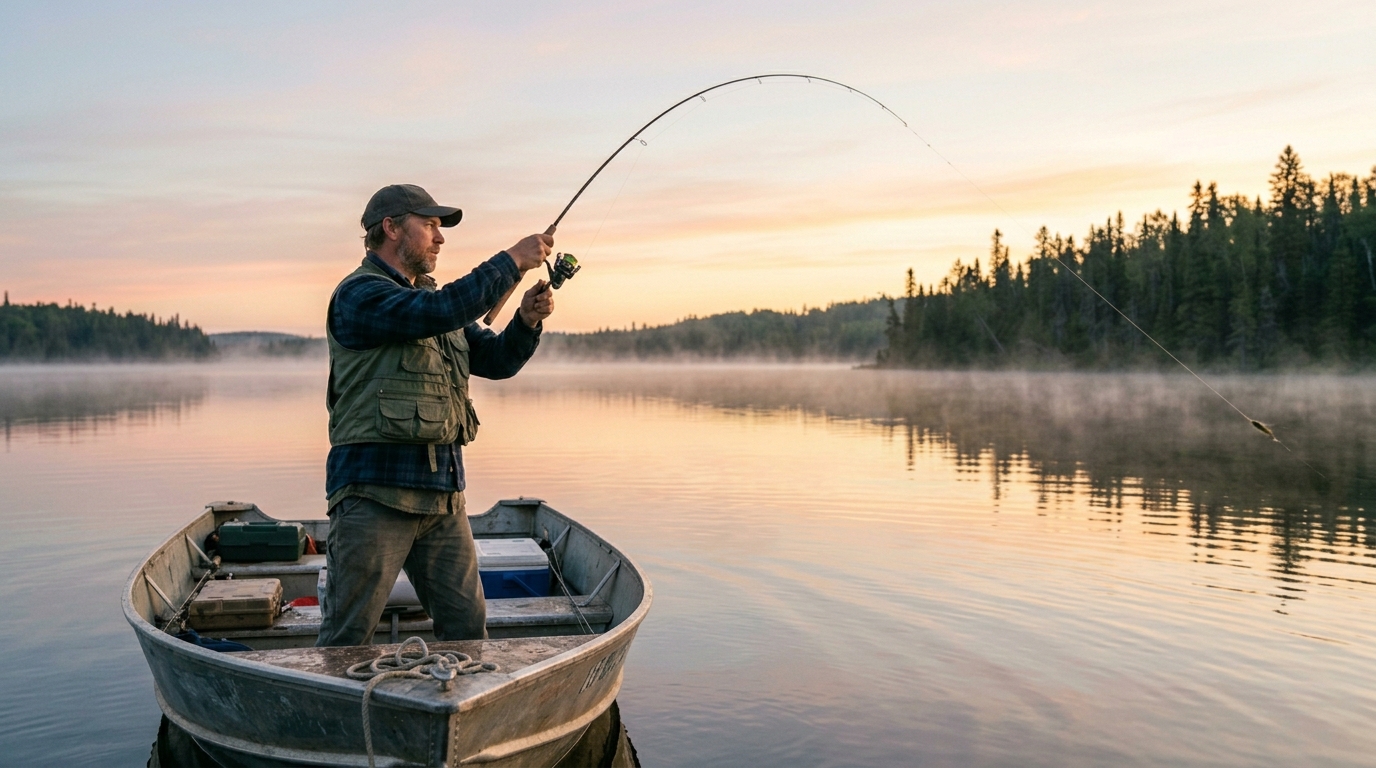
The most effective way to fish a leech for Leech Lake walleye is on a plain or stand-up jig, hooked once through the collar just behind the head, then fished on a slow drift or troll so the leech can swim naturally instead of dragging lifelessly behind the boat.
Hooking the Leech
Run the hook point through the leech’s sucker end, the flatter of its two ends, so the body trails and swims behind the jig head. Avoid hooking it through the middle, which kills the action almost immediately.
Choosing Jig Weight
- 1/16 to 1/8 oz: Rock structure, water under 10 feet, light wind
- 3/16 oz: Sparse weeds or moderate current
- 1/4 to 3/8 oz: Deeper breaks, 15 feet or more, or windy days that push your boat too fast
Presentation
Long-time Leech Lake guide Brian “Bro” Brosdahl, writing for Northland Fishing Tackle, fishes a spottail shiner or leech on a long-shank jig early in the season so he can double-hook the bait, which helps hold up against short-biting fish. He watches side-imaging electronics in the 100 to 150-foot range to find schools without driving straight over them, then marks productive drifts on GPS to repeat them.
Once water temperatures push past 70°F, Brosdahl and most local anglers switch to a bottom bouncer paired with a baitfish spinner harness and a leech or crawler, which covers more water and finds fish that have scattered off the shallow spawning grounds.
Live Bait Rig Comparison for Leech Lake Walleye
| Rig | Best Water Temp | Typical Depth | Bait |
|---|---|---|---|
| Plain jig, vertical or cast | Under 60°F | 6 to 12 ft | Leech or spottail shiner |
| Long-shank jig, double-hooked | Under 65°F | 6 to 15 ft | Spottail shiner |
| Bottom bouncer + spinner harness | 65°F to 75°F | 12 to 24 ft | Leech or nightcrawler |
| Slow-trolled crankbait | 70°F and up, low light | 8 to 20 ft | None (artificial) |
If your crew wants more to do between bites, Walker has it covered. Our Complete Local Guide to Walker, MN rounds up the restaurants, shops, and lake-town stops worth building into a fishing trip.
What Are the Current Walleye Regulations on Leech Lake?
Leech Lake currently has a possession limit of four walleye, with only one allowed over 20 inches, and every angler 16 or older needs a valid Minnesota fishing license to keep fish. This replaced the older 20-to-26-inch protected slot limit that was in place for years.
That older slot rule still shows up in a lot of fishing articles and forum posts, so double-check before your trip if you’re working from an older bookmark. Minnesota’s DNR reviews Leech Lake’s regulations regularly based on population surveys, and rules can change from one season to the next.
Leech Lake Walleye Regulations at a Glance
| Rule | Current Requirement |
|---|---|
| Walleye possession limit | 4 fish per angler |
| Size restriction | Only 1 over 20 inches |
| License requirement | MN fishing license, ages 16+ |
| License validity | March 1 through the last day of February |
| Regulation authority | Minnesota DNR, reviewed annually |
Northern pike, muskellunge, bass, and panfish each carry their own separate limits on Leech Lake. Read the full regulation summary before you head out, especially if muskie or pike are part of your plan too.
When Is the Leech Lake Walleye Tournament?
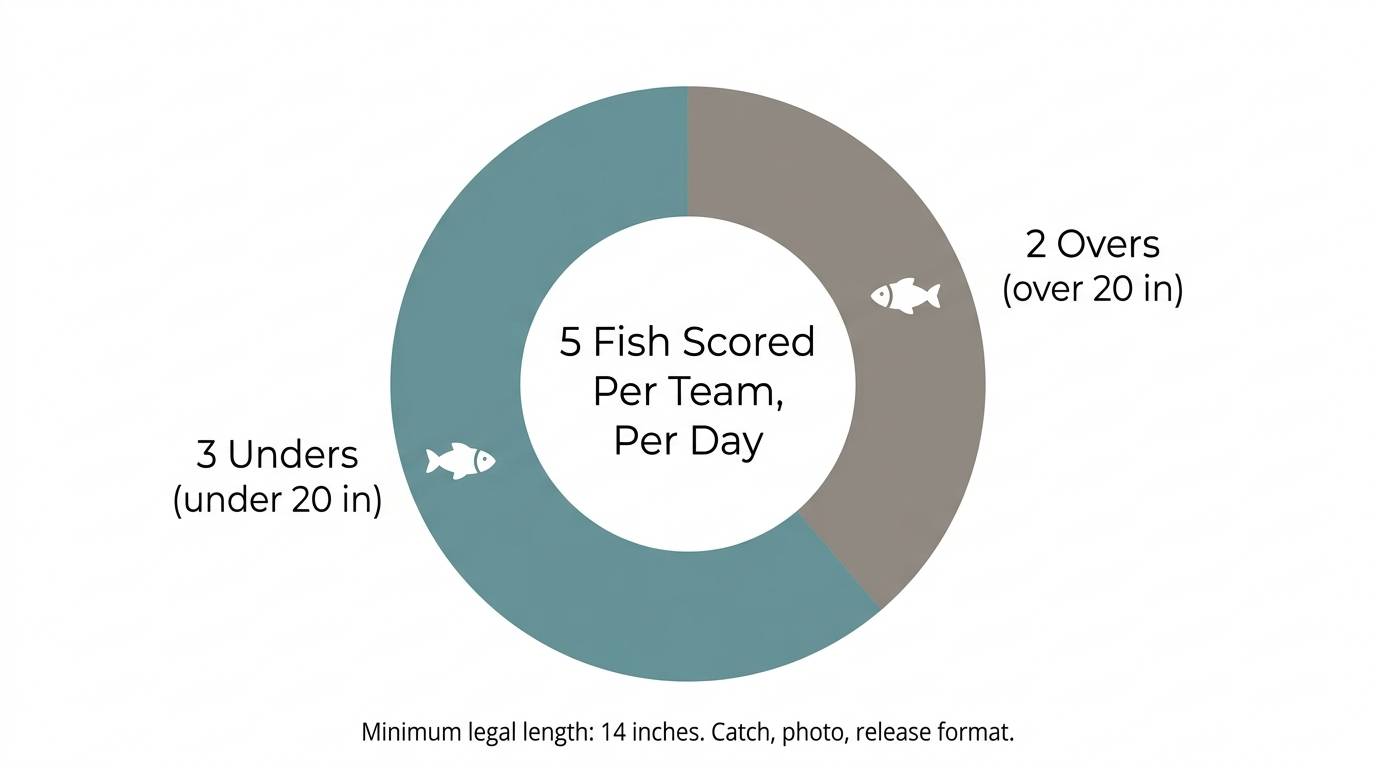
The Leech Lake Walleye Tournament runs every year in late May out of Walker, Minnesota, with the 2026 event held Saturday, May 30 and Sunday, May 31, and the 2027 tournament expected to follow that same traditional late-May weekend.
Tournament Format
Now in its 18th year, the event is organized by the Leech Lake Area Chamber of Commerce and draws a capped field of 155 two-person teams. It runs on a catch-photo-release format through the FishDonkey app, so no fish leave the lake and no scale is needed at the dock.
Per the Leech Lake Walleye Tournament rules, each team can score three walleye under 20 inches and two over 20 inches per day, with a 14-inch minimum to count. Fishing runs from 7 a.m. to 3 p.m. both days, and only artificial bait or live bait on a single line per angler is allowed.
Planning Around It
For 2026, team entry ran $450 per team, with returning teams from the prior year getting first priority in January before registration opened to new teams in February. If you’re planning a trip around the tournament, whether to fish it or just to be in town for the energy, book lodging early. Walker fills up fast that weekend.
Not an open-water angler? Leech Lake doesn’t stop producing when the ice comes in. Our guide to Ice Fishing on Leech Lake covers what changes once the lake freezes over.
What Should You Look For in a Home Base for a Leech Lake Fishing Trip?
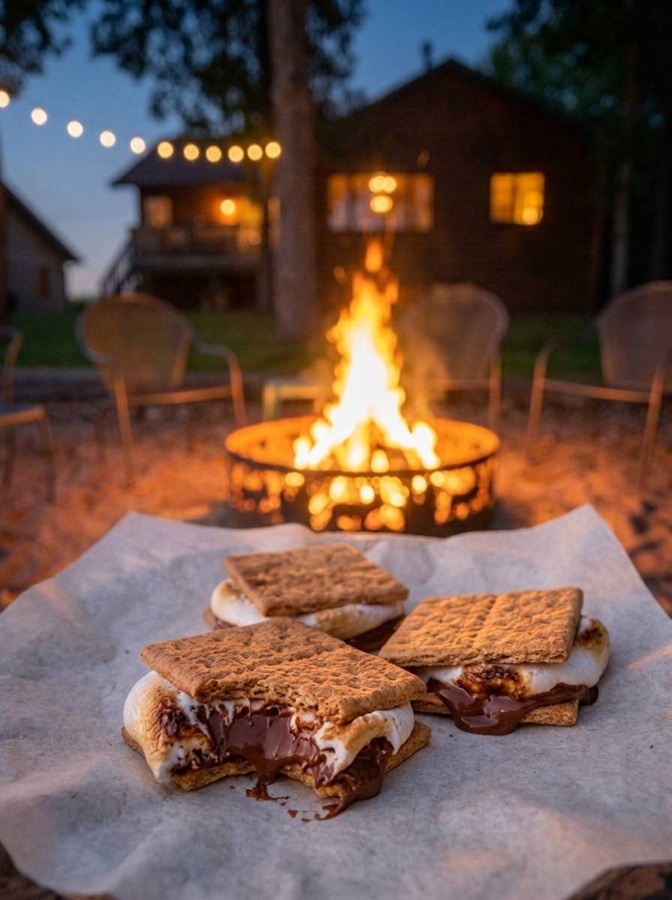
The best home base for a Leech Lake fishing trip puts you within a short walk of a private dock and a boat lift rated for your boat’s size, since the minutes saved launching and loading add up to real fishing time over a multi-day trip.
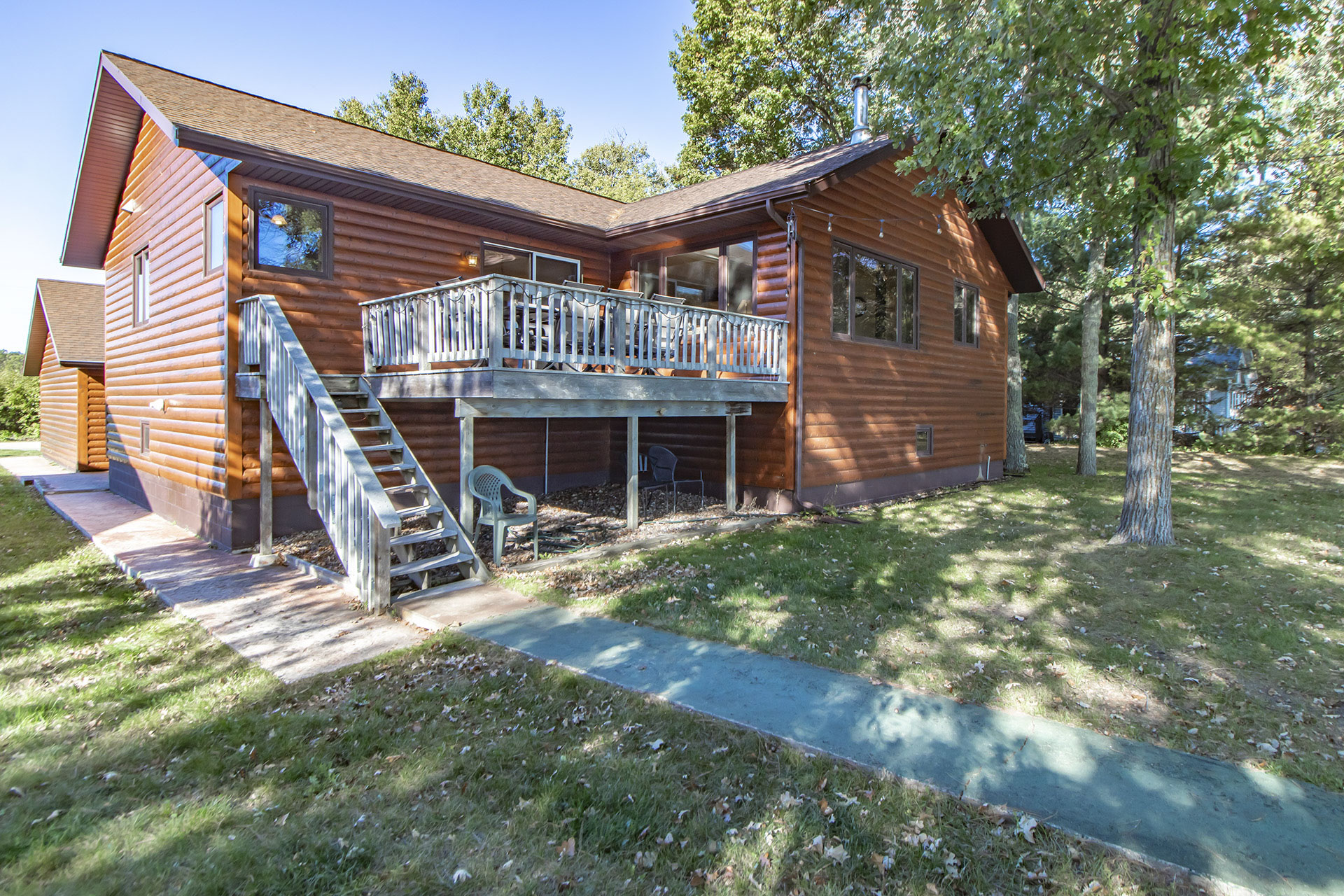
We built both of our Leech Lake properties around that idea. Loon Lodge sits on a flat walk to the water with a dock, a 3,000-lb boat lift, and a weed-free sand beach that’s genuinely useful for cooling off between bites on a hot afternoon.
Northern Waters Lodge, our larger property, sleeps up to 14 across five bedrooms, with its own dock and a 5,000-lb boat lift. That size matters more than people expect once you’re trying to coordinate a group fishing trip. Splitting one house among ten or twelve anglers beats booking three separate hotel rooms and losing half the morning to logistics.
A heated garage, in-floor heat in the lower level, and a fire pit round out the property, so the day doesn’t have to end when the bite does.
How to Plan Your Leech Lake Walleye Trip
Pick Your Season First
Decide whether you want the spring bite, the steady mid-summer pattern, or the fall push back to structure, since that choice determines which bay you should focus on before you even book.
Book Your Boat Access Early
If you don’t own a boat, line up a rental or a guided trip well ahead of your dates, especially around the late-May tournament weekend when demand spikes across Walker.
Check the Current Regulations
Pull up the current Minnesota DNR limits before you fish, not the numbers from an old article or a friend’s memory of a rule from a few years back.
Reserve Dock-Front Lodging
A property with its own dock and boat lift skips the wait at public landings, which on a busy summer weekend can cost you an hour before your first cast.
Frequently Asked Questions About Leech Lake Walleye Fishing
Where do you catch walleyes on Leech Lake?
The most reliable areas are Sucker Bay and Portage Bay in spring, Walker Bay and the reefs off Bear Island through summer, and the rocky points at Pine Point and Hardwood Point in both spring and fall. Structure and season matter more than any single “secret spot.”
What is the limit for walleye on Leech Lake?
The current Minnesota DNR limit is four walleye per angler, with only one allowed over 20 inches. You’ll need a valid Minnesota fishing license if you’re 16 or older. Check the DNR’s current regulations before each trip since lake-specific rules can change.
How do you fish for walleye with leeches?
Hook the leech once through its sucker end so it can swim naturally, then fish it on a light jig cast to rocky points or slow-trolled behind a bottom bouncer once the water warms past 65°F. Keep your retrieve slow. A leech that’s dragged too fast stops looking alive.
What fish is Leech Lake known for?
Walleye get most of the attention, but Leech Lake is also a serious muskie and jumbo yellow perch fishery, plus strong numbers of northern pike, bass, and eelpout. The broader Leech Lake area also holds a state-record whitefish caught in 1999.
How deep does Leech Lake get?
Leech Lake reaches a maximum depth of roughly 150 feet, with the deepest water found in Walker Bay, per data from the Leech Lake Chamber of Commerce. Despite that depth, about 80 percent of the lake sits under 35 feet, which is why so much of the fishing happens in relatively shallow water.
What is the best month to fish for walleye on Leech Lake?
The two to three weeks after Minnesota’s May fishing opener and the month of September both produce strong, consistent walleye action. Mid-summer fishing is good too, but it takes more work to locate scattered fish once the lake warms.
What is the largest fish ever caught in Leech Lake?
No official state-record walleye has come from Leech Lake specifically. The broader Leech Lake area once held Minnesota’s state-record whitefish, a 12-pound, 8-ounce fish caught in 1999, but the Minnesota DNR certified a new record in 2019: a 13-pound, 9-ounce whitefish caught on Lake of the Woods. Leech is better known for consistent double-digit muskies and jumbo perch than for a single headline catch.
How old is a 20-inch walleye?
Based on Minnesota DNR research, most walleye reach 16 to 20 inches somewhere between 4 and 9 years old, with females typically growing faster than males and reaching that size sooner. Growth rates vary by lake, food supply, and individual fish, so it’s an estimate rather than an exact number.
Your Best Leech Lake Trip Starts With the Right Water and the Right Base
Leech Lake has earned its reputation the hard way, through decades of strong walleye classes, careful DNR management, and a community that’s kept the fishing culture alive around events like the Walleye Tournament every May. None of that is marketing. It’s what happens when a 112,000-acre lake gets managed well for a long time.
We’ve watched guests arrive with a cooler and a general idea, then leave three days later already planning their next trip, usually after finding one bay that fished better than they expected. That’s the real appeal of Leech. It rewards a little local knowledge without demanding you become an expert first.
Ready to put yourself closer to the water? Check availability at Northern Waters Lodge and get your group set up with dock access, a 5,000-lb boat lift, and room for everyone under one roof.